
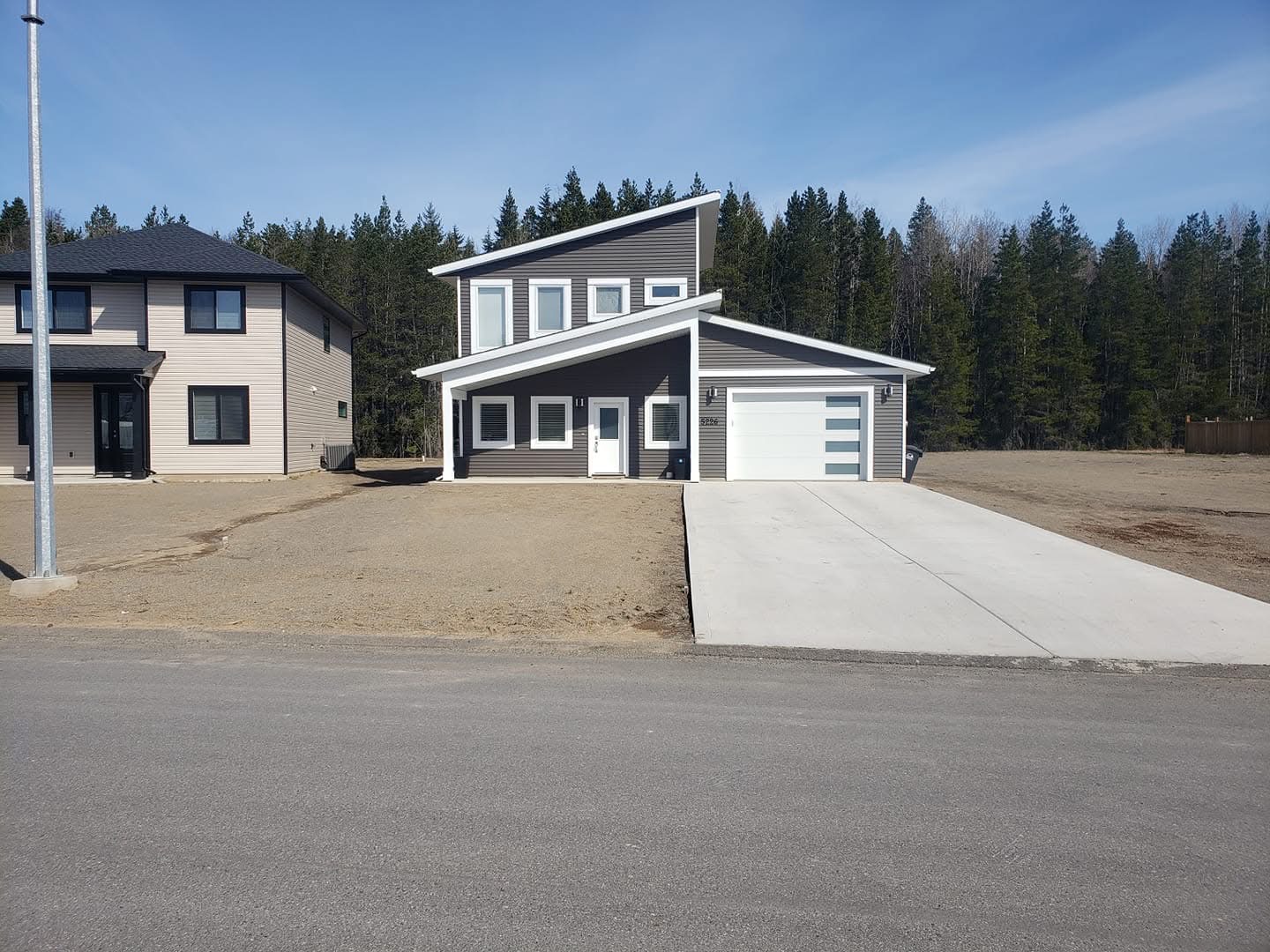
Choosing finishes for a custom home is one of the most exciting — and most overwhelming — parts of the process. Flooring, tile, cabinetry, countertops, paint, fixtures, hardware: the number of decisions is significant, and the pressure to get them right is real. This article offers a practical framework to help you navigate the selection process with more confidence and fewer regrets.
Start With the Big Three
Before getting into the details, prioritize what matters most in your home. For most clients, the three selections that do the most work visually and financially are:
- Flooring — covers the most surface area and sets the visual tone for every room it flows through
- Cabinetry — the most expensive component of most kitchen and bathroom packages; door style and finish drive the overall look
- Countertops — high visual impact in kitchens and baths; material choice affects both cost and maintenance requirements
Getting these three right creates a foundation that makes other selections easier. Everything else — tile, fixtures, hardware, paint — should respond to these anchors rather than compete with them.
Understand the Difference Between Timeless and Trendy
Trends in home design change. What looks fresh in showrooms today may feel dated in five years. In a custom home — where you're making a significant investment — it pays to distinguish between elements you're choosing because they're current versus elements you genuinely love and will live with comfortably for decades.
A useful rule: apply trends selectively in easily-changeable elements (paint, lighting fixtures, cabinet hardware) and lean toward timeless choices in fixed or expensive ones (flooring, tile, cabinetry). This approach keeps your home feeling current without locking you into decisions that age poorly.
Practical tip: Before finalizing any finish selection, ask yourself: "Would I still love this in 10 years?" If the honest answer is uncertain, that's a signal to revisit.
Flooring: Practical Considerations First
Flooring decisions should start with how a space is actually used. High-traffic areas, pets, children, and proximity to water all affect which materials perform best. Here's a brief overview:
- Engineered hardwood — versatile, stable in BC's variable humidity, works well across most living areas
- Solid hardwood — premium feel, refinishable, but more sensitive to moisture; suited for bedrooms and low-humidity living areas
- Porcelain tile — ideal for bathrooms, mudrooms, and entry areas; highly durable, moisture-resistant
- Luxury vinyl plank (LVP) — cost-effective, fully waterproof, improved quality in recent years; a practical choice for basements and utility areas
- Carpet — still preferred in bedrooms for comfort and sound; select low-VOC products for new construction
Countertops: Balancing Aesthetics and Practicality
Quartz remains the dominant choice for kitchen countertops in custom homes — it's non-porous, highly durable, and available in a wide range of colours and patterns. Natural stone (marble, granite, quartzite) offers unique visual character but requires sealing and more maintenance.
For bathrooms, the same principles apply — but scale is smaller and visual impact per square foot is higher, making it a reasonable place to invest in a premium material if you love it.
The Selection Process: How to Stay Organized
The volume of decisions in a custom home build can be managed with a simple selection tracking system. Your design team or contractor should provide a selections checklist with deadlines tied to construction phases. Work through selections in order of installation — structure and substrate decisions first, surface finishes later.
Sample and compare materials in natural light, in the actual room where they'll be used if possible. Showroom lighting is designed to flatter, not to replicate your home's conditions.
When to Splurge and When to Save
Not every selection warrants a premium budget. A few principles that serve most clients well:
- Invest in items you touch daily — door hardware, faucets, appliances — because tactile quality matters in the long run
- Save on items where the difference between mid-range and premium is visual only (tile patterns, certain cabinet hardware)
- Invest in structural quality over cosmetic upgrades — better insulation, quality windows, and sound mechanical systems deliver more lasting value than luxury finishes alone
The finish selection process is easier when you're working with a design team who understands how materials interact with each other and can help you visualize the finished result before committing. If you'd like to talk through the design and selection process for your project, our team is happy to walk you through how we approach it.