
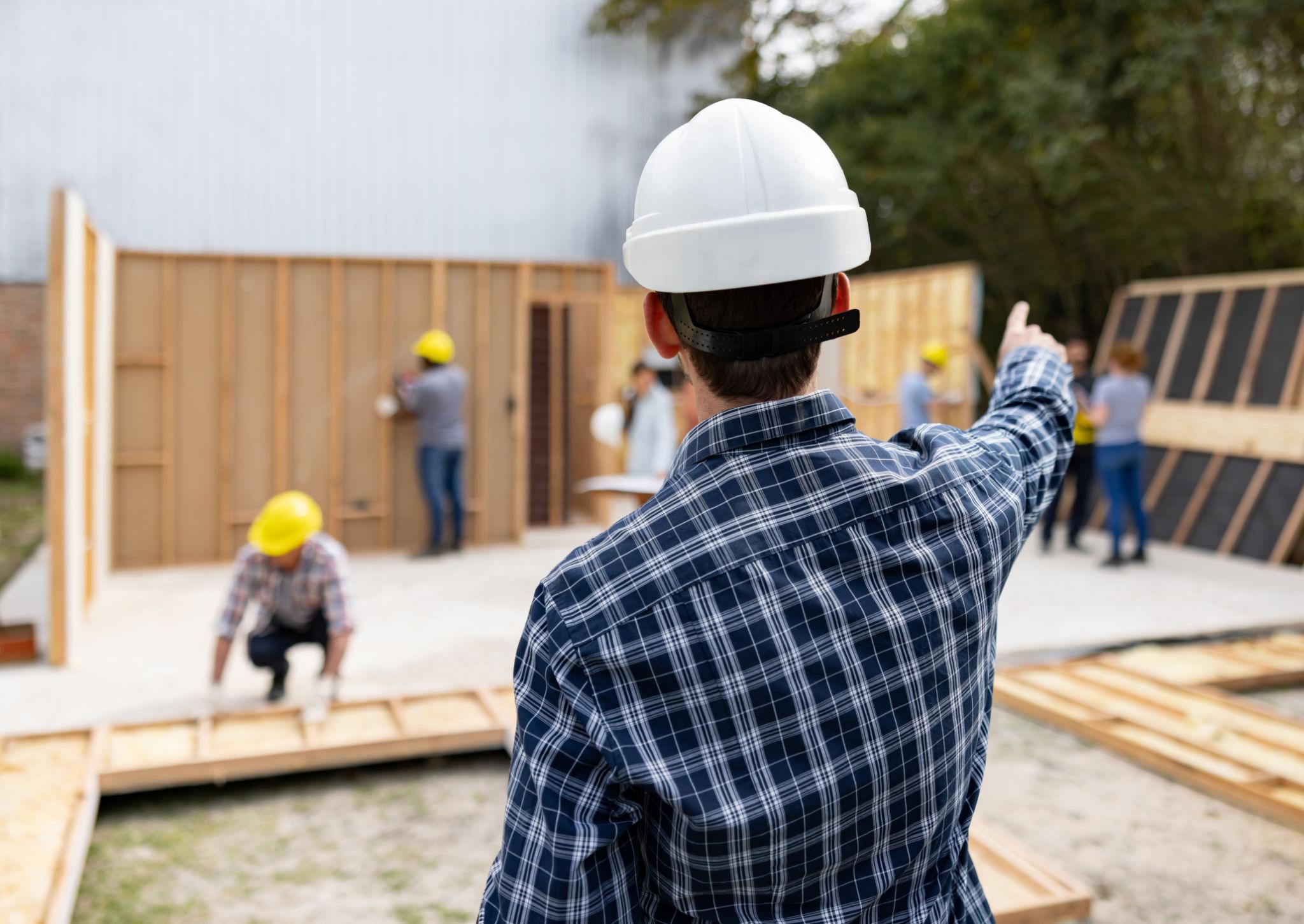
Choosing a general contractor is one of the most consequential decisions in a custom home build. You're entering a relationship that will last 12–18 months or longer, involve significant financial commitments, and require a high degree of trust. The questions you ask before signing reveal a great deal about how the relationship and the project will actually unfold.
Here are ten questions worth asking — and what honest, credible answers sound like.
Are you licensed and insured to build in British Columbia?
Your contractor should hold a valid BC residential builder licence (administered through BC Housing/Homeowner Protection Office) and carry general liability insurance and WorkSafeBC coverage. Ask to see documentation — not just a verbal confirmation. A legitimate contractor will provide this without hesitation.
Can you provide references from recent, comparable projects?
Ask for at least two or three references from custom home builds completed in the last two to three years, similar in scope to yours. When you speak with references, ask specifically about communication during construction, how the contractor handled unexpected problems, and whether they would hire them again.
What does your contract include, and what are the exclusions?
A well-structured contract clearly defines the scope of work, what is and isn't included, how changes will be priced, and what the payment schedule looks like. Be cautious of vague scope language — it creates ambiguity about who is responsible for what, and ambiguity during construction tends to resolve in favour of the contractor, not the client.
How do you handle cost overruns and scope changes?
Cost changes are a reality in custom construction. What matters is how they're handled. Ask for a clear description of the change order process — how changes are documented, priced, approved, and tracked. A contractor who can't explain this process clearly has probably not managed it well in the past.
Who is my primary point of contact throughout the build?
In larger firms, the person who sells the job may not be the person who manages it. Know who you'll be communicating with on a regular basis — and meet them before you sign. The quality of your relationship with your site supervisor or project manager often determines how smooth the build feels, regardless of the company's overall reputation.
How often will I receive progress updates, and in what format?
Consistent communication is the single strongest predictor of client satisfaction in residential construction. Ask how the contractor communicates progress — weekly site reports, site visits, photo updates, or scheduled calls. There is no universally right answer, but there should be a clear, structured answer rather than a vague "we'll keep you posted."
Which subcontractors will you use, and how long have you worked with them?
The quality of a custom home build depends heavily on subcontractor quality. Ask whether your contractor uses established, long-term trade relationships or bids work to whoever is cheapest at the time. Contractors who consistently work with the same trusted tradespeople produce more predictable results and have better accountability when issues arise.
What warranty do you provide on your workmanship?
In BC, new home builders are required to provide statutory warranty coverage under the Homeowner Protection Act — typically two years for labour and materials, five years for the building envelope, and ten years for structural defects. Ask what your contractor provides beyond these minimums and how warranty claims are handled in practice.
How do you manage site safety and cleanliness?
A well-run site is a safe, organized site. Ask about their approach to daily cleanup, site security, and WorkSafeBC compliance. A contractor who is proud of how they run their sites will want to show you examples. One who is evasive on this question may not be managing safety as a priority.
Have you built homes in this municipality before?
Local knowledge matters. Contractors familiar with your municipality's permit process, inspectors, and soil conditions will manage your build more efficiently. They know which inspectors are thorough, how long reviews typically take, and which aspects of local code are interpreted differently than in other jurisdictions. This isn't a disqualifier if the answer is no — but it should factor into your evaluation.
A final note: Pay attention to how a contractor responds to your questions as much as what they say. Defensive answers, vague generalizations, or pressure to decide quickly are all signals worth taking seriously. A contractor confident in their track record welcomes scrutiny.
If you'd like to ask us any of these questions directly, we're happy to have that conversation. We believe that transparency in the selection process leads to better working relationships and better-built homes.