
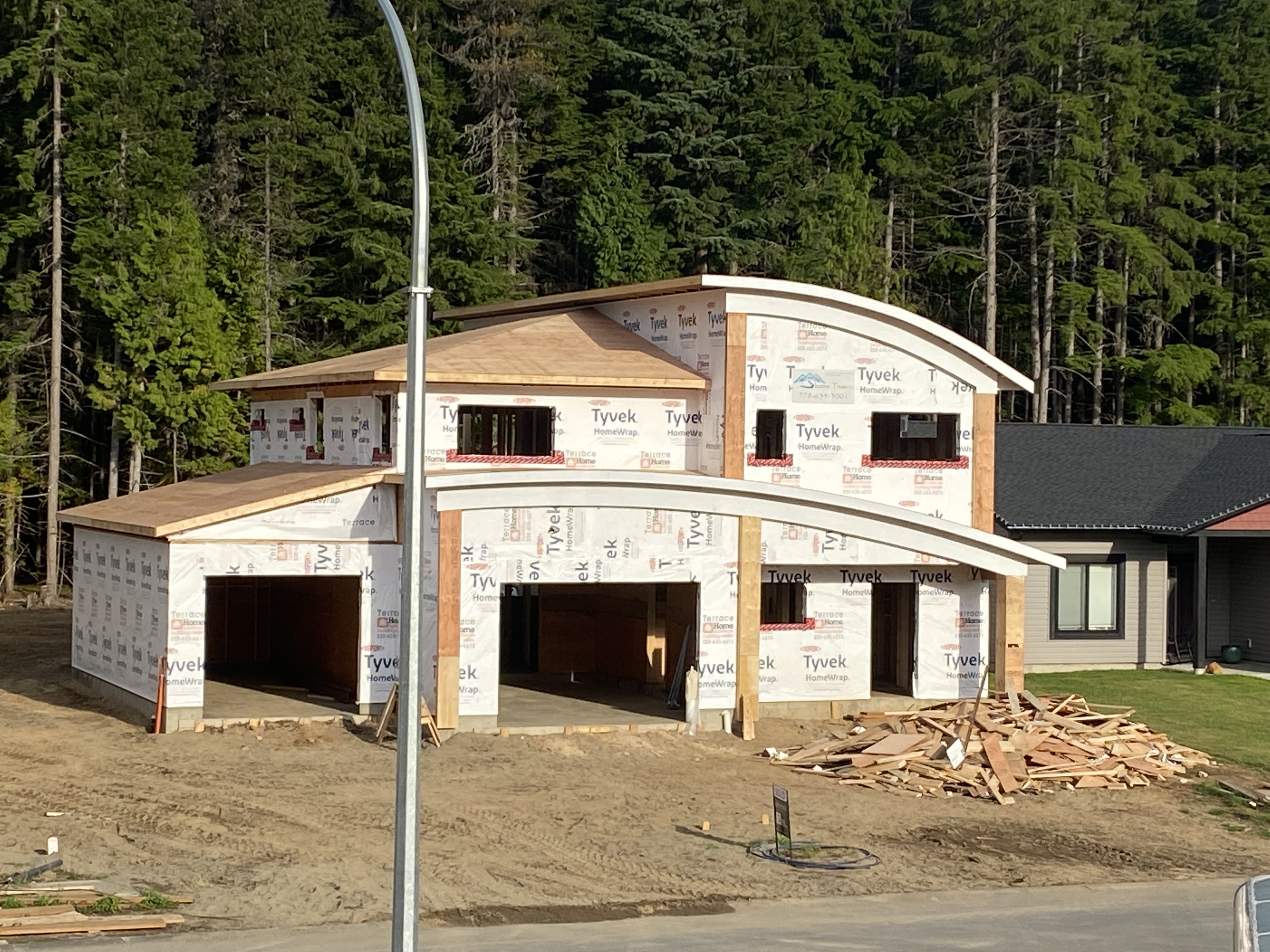
Smart home technology has become a standard expectation in custom residential construction — but the decisions you make about it, and when you make them, have a significant impact on both the outcome and the cost. Technology infrastructure planned during design and installed during construction is a fraction of the cost of retrofitting a finished home. This article covers the key decisions to address during the planning phase.
Why Timing Matters
The critical insight about smart home technology in new construction is simple: the most expensive component is often not the technology itself — it's the labour and disruption required to install it after the fact. Running conduit and cables through finished walls means opening drywall, patching, repainting, and restoring finishes. The same work done during rough-in, before walls are closed in, costs a small fraction of the retrofit price.
This means the planning conversation should happen during design development, not after the drywall is up.
Structured Wiring and Network Infrastructure
The single highest-value technology investment in most custom homes is also the least glamorous: a properly designed structured wiring system with a centralized distribution point (often called a media panel or structured wiring enclosure).
At minimum, plan for:
- Cat 6 or Cat 6A ethernet runs to every room where a TV, computer, or device hub will be located
- Dedicated access point locations on each floor, with wired ethernet feeds (WiFi performance is significantly better with wired AP placement than with router-based coverage)
- Conduit runs from the media panel location to key areas — even if they're not yet wired, the conduit allows future wire pulls without opening walls
- Adequate electrical capacity in the media panel location for networking equipment
Smart Lighting and Automation
Lighting control systems range from simple smart switch replacements to fully integrated whole-home lighting automation platforms. The decision about which direction to go should be made before rough-in, because:
- Some lighting control systems require neutral wires at every switch location — which is specified during electrical rough-in, not after
- Higher-end systems may require low-voltage control wiring in addition to line-voltage wiring
- Dimmer compatibility with LED lighting fixtures needs to be confirmed before fixture selection is finalized
At a minimum, specify neutral wire at all switch locations — this is a low-cost specification that ensures compatibility with any future smart switch or lighting control system, regardless of which platform you choose.
HVAC Automation and Zoning
Smart thermostat compatibility is nearly universal now, so this is a lower-stakes decision — most modern thermostats work with almost any HVAC system. However, if you're planning multi-zone heating or cooling (separate temperature control for different areas of the home), the zoning infrastructure needs to be designed into the HVAC system from the start, not added after.
Radiant floor heating systems also benefit significantly from smart control — zone-specific thermostats and scheduling can meaningfully reduce operating costs in a well-designed hydronic system.
EV charging: If you own or plan to own an electric vehicle, rough-in a 240V circuit to your garage with conduit to the panel during construction. The marginal cost at rough-in stage is minimal. Adding it after a finished garage is completed costs significantly more.
Audio and Video Distribution
Whole-home audio — background music distributed through multiple rooms from a central source — requires speaker wire runs during rough-in. Decisions about in-ceiling vs. in-wall speakers, the number of zones, and the control interface all need to be made before walls are closed.
For video distribution (multiple TVs connected to shared sources or security cameras), conduit or structured wiring during rough-in provides the infrastructure for current and future equipment, regardless of how technology evolves.
Security and Access Control
Security camera systems, smart locks, video doorbells, and alarm systems all benefit from planned infrastructure. Camera locations should be identified during design — exterior soffit and gable locations, driveway coverage, and entry points — so that conduit or wiring runs can be incorporated into the construction scope. Adding cameras to a finished exterior often means surface-mounted conduit, which is both aesthetically inferior and more expensive to install.
How to Approach the Conversation With Your Contractor
The best way to plan technology infrastructure is to have a dedicated conversation about it during the design development phase. Bring your priorities — do you want whole-home audio? A sophisticated lighting control system? Extensive camera coverage? — to the table early enough that the mechanical and electrical subcontractors can incorporate the requirements into their drawings and rough-in scopes.
You don't need to select specific products or vendors at this stage. What you need to do is identify the infrastructure requirements — wire types, conduit locations, electrical capacity — so the construction team can build the home to support whatever technology choices you ultimately make.
Technology planning is part of our standard design conversation for every custom home we build. If you're planning a new build and want to understand what the technology planning process looks like, we're happy to walk through it.